
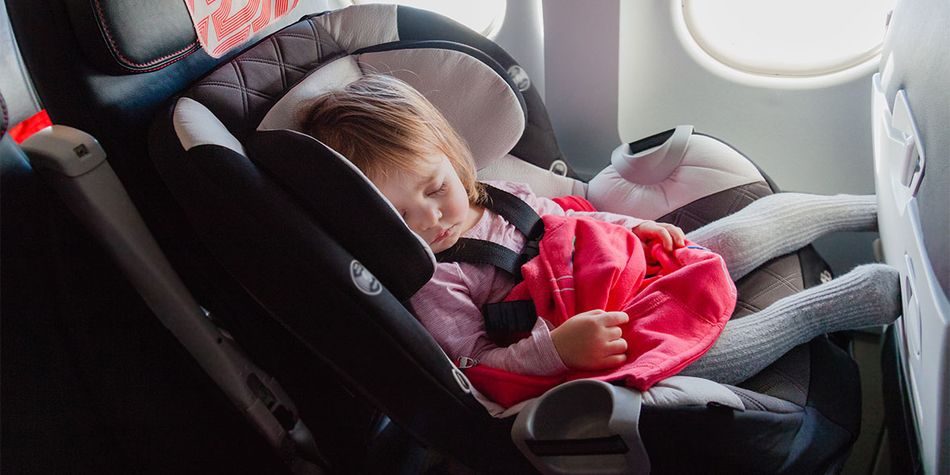
Most travel-safety errors are not dramatic decisions. They are small shortcuts taken during a rushed morning, a familiar route, or a tired trip home. A strap stays slightly twisted, a coat remains under the harness, or a child moves to the next mode because the old one looks inconvenient. These moments are understandable, and that is precisely why a practical routine matters.
When Familiarity Replaces a Fit Check
Once equipment has been installed for several weeks, adults may assume it remains correct. Regular use, cleaning, seat movement, and changing passengers can alter a setup. A brief check of stability, belt routing, anchor use, and the child’s fit helps catch changes that memory will not.
Harness slack is a common example of a minor-looking issue with an important role. Webbing can sit over thick fabric, twist near a buckle, or remain loose after a hurried adjustment. Caregivers should follow the manufacturer’s method for checking fit, confirm that the straps lie flat, and avoid placing unapproved material between the child and the restraint.
A check is more dependable when the adult can explain what each adjustment is meant to confirm, rather than relying on habit or appearance alone.
The headrest and harness height can also lag behind a growth spurt. Instead of judging by how crowded the seat appears, parents should use the manual’s stated position and adjustment rules. A setting that was correct last month may no longer match the child today.
Convenience Can Quietly Change the Rules
Busy families sometimes loosen a routine to reduce conflict. A child may buckle independently without an adult review, hold the shoulder belt away from the neck, or lean sideways to reach a device. These behaviors can change the intended belt or harness position even when every component is technically present.
The solution is not fear-based language. It is a predictable pause before departure. A practical child restraint checklist can help every caregiver confirm the current mode, secure installation, flat webbing, correct buckle use, and a cabin free of loose heavy objects. The checklist works best as a familiar sequence rather than an occasional inspection triggered by concern.
Convenience features should also be returned to their travel position. A rotating model, adjustable recline, or movable headrest may be helpful during boarding, but the seat must be locked and configured as instructed before the vehicle moves. An audible click is reassuring only when the manual identifies what it confirms.
Moving to the Next Stage Too Soon
Premature transitions often begin with a reasonable desire: more legroom, easier conversation, or a simpler buckle. Yet the next stage may use the vehicle belt differently or depend more heavily on the child’s posture and maturity. Parents should check the maximum conditions of the current mode and all minimum conditions of the next one before making a change.
A child’s age does not automatically settle the question. Height, weight, fit, and behavior may point in different directions. The product instructions bring those signals together. If a multi-mode restraint is being converted, the installation path and required components may change, so the transition should be treated like a new installation.
Returning to an earlier permitted mode after a difficult first attempt should not be framed as failure. If the child remains within the limits and the instructions allow it, delaying the transition can provide time to solve comfort, behavior, or vehicle-fit issues without forcing the next stage.
Inconsistent Rules Between Caregivers
Parents, relatives, school drivers, and babysitters may each have a different idea of what “secure” looks like. Verbal instructions alone are easy to forget, particularly when the equipment is unfamiliar. A calm demonstration in the actual vehicle allows another caregiver to practice adjusting and checking the setup before traveling alone with the child.
Shared rules should cover short rides, sleeping posture, snacks, bulky clothing, and what to do if the child unbuckles or the installation appears different. No caregiver should feel pressured to start driving while uncertain. Stopping to correct the setup is part of responsible travel, not an inconvenience to apologize for.
Everyday mistakes become less likely when safety is designed into ordinary behavior. Families do not need perfection or anxiety; they need repeatable checks, clear instructions, and permission to slow down when something feels wrong. Attention to the small details each time is what keeps a familiar trip from becoming a casual exception.