
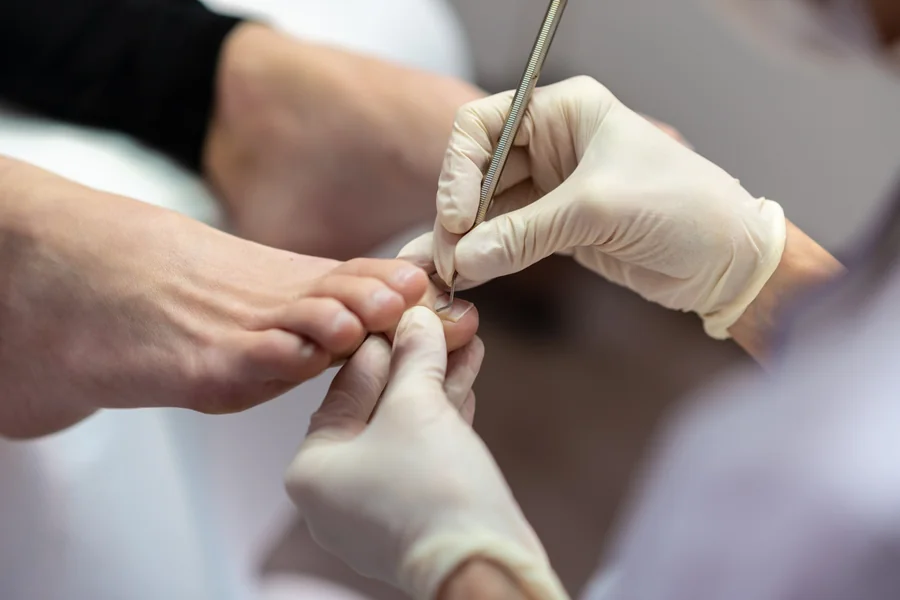
You know that painful, swollen area around your fingernail that makes you wince every time you accidentally bump it? That’s paronychia, and it’s more common than you might think. This infection happens when bacteria or fungi sneak into the skin surrounding your nail, usually through a small cut, hangnail, or even from biting your nails. The affected area becomes red, tender, and sometimes fills with pus. Not exactly pleasant.
Where Should You Handle Paronychia?
So, should you be treating paronychia at home and in clinic? Most cases start mild and respond well to home care. But here’s the thing: knowing when to treat yourself versus seeing a doctor matters. If you catch it early and it’s not too angry-looking, home treatment works great. However, if you’ve got diabetes, a compromised immune system, or if the infection has spread beyond the nail fold, you need professional help. Also, if home remedies aren’t working after a few days, don’t be stubborn about it.
Who’s Most Likely to Deal with This
Certain people get paronychia more often. Nail biters, you’re at the top of the list. People who work with their hands in water frequently, like dishwashers, bartenders, or healthcare workers, see it more often, too. If you’re aggressive with manicures or tend to pick at your cuticles, you’re inviting trouble. Diabetics have a higher risk due to slower healing and increased infection susceptibility.
Home Remedies That Actually Work
Start with warm water soaks. Soak the affected finger in warm water 3 to 4 times daily for 15 minutes each time. This reduces swelling and can help drain minor infections naturally.
Try adding Epsom salt to your soaks for extra anti-inflammatory benefits. Some people swear by tea tree oil mixed with a carrier oil, applied after soaking. Its natural antimicrobial properties can help fight infection.
Here’s an unconventional trick: oregano oil. Yes, the cooking herb. Medical-grade oregano oil has powerful antibacterial properties. Dilute it properly and apply topically. Another surprising helper? Hydrogen peroxide soaks, though use these sparingly as they can be harsh.
Keep the area dry between soaks. Moisture breeds bacteria. Apply antibiotic ointment and cover with a bandage. Replace it when it gets wet or dirty.
When You Need Professional Intervention
Sometimes you need the big guns. A doctor might prescribe oral antibiotics if the infection is spreading or particularly stubborn. For fungal paronychia, which tends to be chronic, antifungal medications work better.
If there’s an abscess, your doctor may need to drain it. This sounds scary, but it brings immediate relief. They’ll numb the area, make a small incision, and let the pus out. Quick procedure, massive improvement.
In severe cases, especially chronic paronychia that doesn’t respond to treatment, partial nail removal might be necessary. This isn’t common, but it allows the infection to clear completely.
Preventing Future Episodes
Stop biting your nails. Just stop. Keep your hands dry when possible, or wear protective gloves for wet work. Be gentle with manicures and never cut your cuticles too aggressively. They’re there for protection.
If you notice a hangnail, clip it carefully with clean scissors rather than tearing it. Moisturize your hands and cuticles regularly to prevent cracking. Small habits make big differences.
Pay attention to early signs. That slight tenderness? Address it immediately with soaks before it becomes a full-blown infection. Your fingers do a lot for you, so take care of them.

