
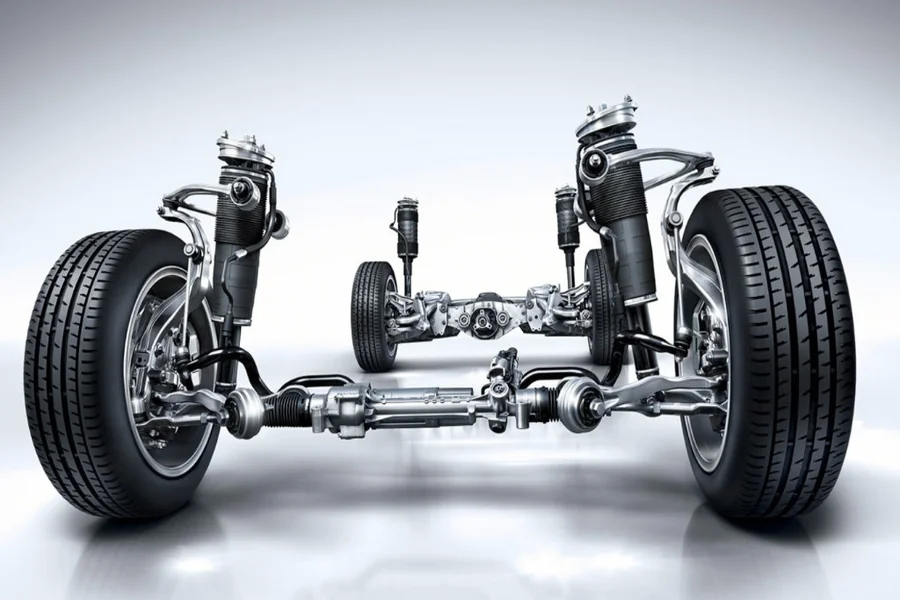
When we talk about driving, most people think about speed, horsepower, or fuel efficiency. But one of the unsung heroes of every vehicle is its chassis suspension system. Often overlooked, the suspension is the bridge between a vehicle and the road, directly affecting stability, comfort, and control. Understanding how it works can give drivers a deeper appreciation of both safety and performance.
What is Chassis Suspension?
The chassis is the structural framework of a vehicle—the skeleton that holds everything together, from the engine to the passenger cabin. The suspension is a system of components that connects the chassis to the wheels, ensuring that the tires remain in contact with the road while absorbing shocks from uneven surfaces.
The main goals of a suspension system are:
- Stability: Keeping the vehicle steady, especially during turns, braking, and acceleration.
- Comfort: Minimizing the bumps and vibrations felt by passengers.
- Control: Ensuring that the driver can steer and maneuver safely under various conditions.
For drivers navigating the city’s roads, a reliable chassis suspension in Melbourne is essential to handle both smooth highways and uneven suburban streets.
These goals might seem simple, but achieving all three simultaneously is a complex engineering challenge.
Key Components of a Suspension System
A typical chassis suspension system is made up of several key parts:
1. Springs
Springs are the backbone of any suspension. They absorb energy from bumps and dips in the road. There are several types:
- Coil springs: Helical metal springs commonly used in modern vehicles.
- Leaf springs: Stacked metal strips, often found in trucks.
- Torsion bars: Bars that twist under pressure, used in some older or specialized vehicles.
Springs compress and expand to absorb shocks, keeping the ride smooth and preventing excessive jolts from reaching the passengers.
2. Shock Absorbers
While springs absorb energy, shock absorbers control it. Without shocks, a car would bounce endlessly after hitting a bump. Shock absorbers dampen the oscillations of the springs, converting kinetic energy into heat and stabilizing the vehicle.
3. Struts
A strut combines the functions of a shock absorber and a spring support. It not only dampens movement but also supports part of the vehicle’s weight, making it crucial for both stability and ride quality.
4. Anti-roll Bars
Also called sway bars, these components reduce body roll during cornering. By linking the left and right wheels, anti-roll bars distribute forces evenly, helping the car remain level and improving traction.
5. Control Arms and Linkages
These connect the wheels to the chassis and guide their motion. They ensure that wheels move in the correct path, maintaining alignment and maximizing tire contact with the road.
6. Bushings and Mounts
Made of rubber or polyurethane, these small components absorb minor vibrations and reduce metal-to-metal contact, improving comfort and reducing noise.
How Suspension Affects Stability
Stability is all about keeping the vehicle predictable and balanced. Without a properly functioning suspension, vehicles can sway, pitch, or lose traction, especially during cornering or sudden maneuvers.
- Center of Gravity Management: Suspension helps control the vehicle’s weight transfer. When turning, weight shifts to the outside wheels. Anti-roll bars and spring rates are carefully engineered to minimize this effect.
- Traction Maintenance: Keeping all tires in contact with the road is essential. A good suspension ensures that bumps or dips don’t cause wheels to lift off, which would lead to loss of grip and potential skidding.
- Brake Efficiency: Stability also affects braking. Uneven weight distribution or excessive body dive can compromise stopping distances. A balanced suspension keeps brakes working effectively.
Comfort: More Than Just a Smooth Ride
While sports cars prioritize handling, most vehicles are designed with passenger comfort in mind. Every bump, pothole, or speed bump can translate into vibrations felt by occupants if the suspension isn’t tuned properly.
- Spring Selection: Softer springs improve comfort but can reduce handling precision. Harder springs improve cornering but transmit more road shock. Engineers strike a balance based on the vehicle’s purpose.
- Shock Absorption: High-quality dampers prevent excessive bouncing and harsh feedback. Adaptive or electronically controlled dampers can even adjust stiffness in real time depending on road conditions.
- Noise Reduction: Bushings, mounts, and carefully designed linkages absorb vibrations and reduce the noise transmitted into the cabin, enhancing the overall comfort.
Control: The Link Between Driver and Road
Control is the ability of the driver to steer, accelerate, and brake safely, regardless of road conditions. Suspension plays a critical role in this.
- Steering Response: Suspension geometry affects how the wheels respond to steering input. Proper alignment ensures that the vehicle reacts predictably.
- Cornering Performance: During high-speed turns, suspension components distribute forces to prevent understeer (front wheels losing grip) or oversteer (rear wheels losing grip).
- Handling Rough Terrain: Off-road vehicles rely on flexible suspension systems to maintain control over uneven surfaces. Long travel suspensions allow wheels to move independently, keeping the chassis stable.
Types of Suspension Systems
There are two main categories:
1. Independent Suspension
Each wheel moves independently of the others, which improves ride quality and handling. Common types include:
- MacPherson strut (front suspensions in many modern cars)
- Double wishbone (offers precise control in sports cars)
2. Dependent Suspension
Wheels are connected via a solid axle, so movement of one wheel affects the other. These are simpler and more robust, often used in trucks and off-road vehicles for load-bearing and durability.
3. Advanced Systems
Modern vehicles are increasingly using adaptive or active suspension systems, which can adjust damping rates or spring stiffness on the fly. Some high-end cars even use sensors to anticipate bumps, ensuring optimal comfort and control in real-time.
The Engineering Balance
Suspension design is all about trade-offs. A super-soft suspension may offer unmatched comfort but poor handling, while a stiff suspension improves cornering but can make everyday driving harsh. Engineers must balance these factors depending on the vehicle type:
- Sports Cars: Prioritize control and stability for high-speed maneuvers.
- Luxury Cars: Prioritize comfort, using technology to minimize bumps and vibrations.
- Off-road Vehicles: Focus on wheel travel and durability for rough terrain.
- Everyday Cars: Strike a balance between comfort, control, and affordability.
The chassis suspension is much more than a collection of springs, shocks, and bars—it is the heart of the vehicle’s interaction with the road. It ensures that drivers feel in control, passengers enjoy a comfortable ride, and vehicles remain stable under diverse conditions. From the smooth curves of city streets to the rugged terrain of off-road trails, suspension systems quietly make driving safe, predictable, and enjoyable.
Next time you drive over a pothole or take a sharp turn, remember that it’s your suspension system doing the hard work—absorbing shocks, keeping tires grounded, and translating your steering inputs into precise, stable motion. Understanding its mechanics not only helps you appreciate the engineering behind every vehicle but also reminds you how crucial this hidden system is for both stability, comfort, and control.

