
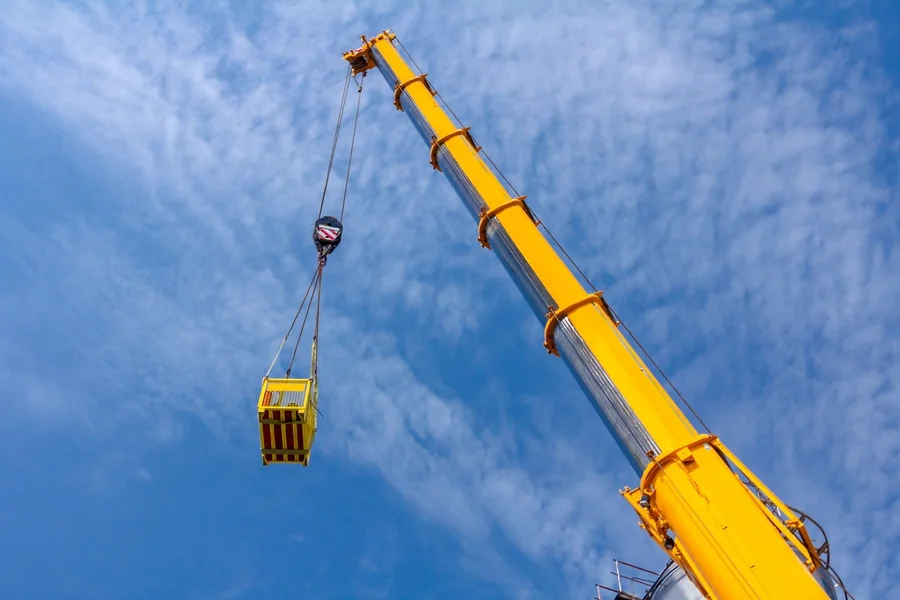
Working at height is a regular part of many construction, maintenance, industrial, and utility projects. Crews may need to access rooftops, repair lighting, inspect structures, install equipment, paint exterior surfaces, or complete work in areas that are difficult to reach with ladders or scaffolding.
In these situations, a man basket can be a useful piece of equipment.
A man basket is designed to lift workers safely when attached to approved lifting equipment, such as a crane or forklift, depending on the basket type and the job requirements. It gives workers a secure platform while they complete tasks at elevated heights. When used correctly, it can improve access, support productivity, and reduce some of the risks associated with unstable climbing methods.
However, a man basket is not just another job site accessory. It must be selected, inspected, attached, and operated properly. Because workers are being lifted above ground level, safety planning is essential.
What Is a Man Basket?
A man basket is a work platform used to lift personnel to elevated areas. It is typically made of steel or another strong material and includes guardrails, a secure floor, attachment points, and entry access.
Some man baskets are designed for cranes, while others are designed for forklifts. The correct type depends on the lifting equipment being used and the work being performed.
Common Uses for a Man Basket
A man basket may be used for building maintenance, exterior repairs, roof access, industrial inspections, warehouse work, signage installation, bridge work, utility projects, and construction tasks.
It is often chosen when the work area is too high, too awkward, or too temporary for standard access methods.
For example, a crew may use a man basket to inspect a structure after a storm, repair overhead equipment inside a warehouse, or perform maintenance on a tall industrial unit.
Why It Is Used Instead of Ladders
Ladders are useful for many simple tasks, but they are not always the safest or most practical choice. If the work requires tools, both hands, extended time, or access to a hard-to-reach location, a ladder may not provide enough stability.
A man basket offers a more secure platform. It gives workers more room to stand, move carefully, and keep necessary tools nearby. This can make elevated work safer and more efficient when the basket is used properly.
Different Types of Man Baskets
Not every man basket is built for the same purpose. Choosing the right type is one of the most important parts of planning safe elevated work.
Crane Man Baskets
Crane man baskets are designed to be lifted by cranes. These baskets are commonly used on construction sites, industrial plants, bridges, refineries, and large-scale maintenance projects.
They usually include engineered lifting points and are built to handle the forces involved in crane lifting. Because crane lifts can involve height, movement, and environmental conditions such as wind, planning and communication are especially important.
Forklift Man Baskets
Forklift man baskets are designed to attach to forklift forks. They are often used in warehouses, factories, storage yards, and maintenance facilities.
These baskets may be used for tasks like changing lights, accessing high shelving areas, checking overhead systems, or performing basic repairs.
A forklift man basket should be secured properly to the forks, and the forklift must be suitable for lifting personnel. Not all forklifts or baskets are appropriate for every situation.
Custom or Specialty Man Baskets
Some projects require specialty baskets designed for unique access needs. These may include larger platforms, tool storage features, special gates, or designs made for unusual job site conditions.
Custom options should always meet applicable safety standards and be reviewed carefully before use.
Key Safety Features of a Man Basket
A quality man basket should include several safety-focused design features. These features help protect workers while they are elevated.
Guardrails and Toe Boards
Guardrails help prevent falls from the platform. Toe boards help prevent tools, materials, or small items from falling off the edge.
Both are important on busy job sites where people may be working below the elevated platform.
Secure Entry Gate
The entry gate should close securely and should not open accidentally during use. Workers should never climb over guardrails to enter or exit the basket.
A proper gate helps maintain the protective barrier around the platform.
Non-Slip Flooring
The platform floor should provide stable footing. Non-slip surfaces help reduce the risk of slips, especially when workers are using tools or working in outdoor conditions.
If the floor is wet, muddy, oily, or damaged, it should be cleaned or inspected before use.
Proper Attachment Points
A man basket must have approved attachment points for the lifting equipment. These points should be clearly designed for lifting and should not be improvised.
Using the wrong attachment method can create serious risk.
Harness Tie-Off Points
Depending on the job and safety requirements, workers may need fall protection. A basket may include approved tie-off points for personal fall arrest systems.
Workers should know where to connect and how to use fall protection correctly before the lift begins.
Planning Before Using a Man Basket
Safe use begins before anyone steps into the basket. Planning helps prevent mistakes and ensures everyone understands their role.
Review the Work Area
The team should inspect the area where the lift will happen. This includes checking ground conditions, overhead hazards, power lines, nearby structures, weather, and surrounding traffic.
Soft or uneven ground can affect equipment stability. Overhead power lines are especially dangerous and require strict clearance.
Confirm Equipment Compatibility
The basket and lifting equipment must be compatible. A crane basket should be used with an appropriate crane. A forklift basket should be used only with a forklift that can safely support the load.
Weight capacity, attachment method, load limits, and manufacturer instructions should all be reviewed.
Calculate the Total Load
The total load includes workers, tools, equipment, materials, and the weight of the basket itself. This total must stay within the rated capacity of the basket and lifting equipment.
Overloading a man basket can create unsafe conditions and should never be allowed.
Assign Clear Roles
Elevated work requires good coordination. The operator, workers in the basket, signal person, and site supervisor should all understand the plan.
Clear communication helps prevent sudden movements, confusion, and unsafe positioning.
Inspection Before Use
A man basket should be inspected before every use. Even strong equipment can become unsafe if damaged, worn, or modified.
Check the Structure
Inspect the frame, welds, guardrails, floor, gate, and attachment points. Look for cracks, bends, rust, missing parts, or signs of impact.
Any structural damage should be taken seriously. The basket should not be used until it is repaired or cleared by a qualified person.
Inspect the Gate and Latches
The entry gate should open and close properly. Latches should work smoothly and hold securely.
A gate that does not latch correctly can create a fall hazard.
Review Labels and Capacity Markings
Capacity markings and safety labels should be readable. Workers need to know the maximum load and any use restrictions.
If labels are missing or unclear, the basket should be reviewed before use.
Check Fall Protection Points
If the basket includes tie-off points, they should be inspected for damage or wear. Workers should also inspect their harnesses, lanyards, and connectors.
Fall protection equipment should never be used if it is damaged or questionable.
Safe Operating Practices
Once the lift begins, careful operation is essential. Small mistakes can become serious when workers are elevated.
Keep Movements Slow and Controlled
The operator should lift, lower, and move the basket slowly. Sudden starts, stops, or swings can create instability and put workers at risk.
Workers in the basket should stay aware and avoid leaning over the rails.
Maintain Communication
The workers and operator should maintain clear communication throughout the task. This may involve radios, hand signals, or a designated signal person.
Everyone should understand the signals before the lift starts.
Do Not Exceed Capacity
Only the approved number of workers and tools should be inside the basket. Extra materials should not be added unless included in the load calculation.
Capacity limits exist for a reason. They protect workers and equipment.
Avoid Climbing on Rails
Workers should never stand on guardrails, ladders, buckets, or boxes inside the man basket to gain extra height. This defeats the purpose of the platform and increases fall risk.
If the basket cannot reach the work area, the lift plan should be adjusted.
Watch Weather Conditions
Wind, rain, ice, and poor visibility can make elevated work more dangerous. Outdoor lifts should be delayed when conditions are unsafe.
Even a properly secured basket can become difficult to manage in strong wind.
Man Basket Use in Construction
Construction sites often require access to high or hard-to-reach areas. A man basket can help workers complete tasks when other access systems are not practical.
Structural Inspections
Workers may use a man basket to inspect beams, columns, walls, roofs, or exterior surfaces. This can be especially useful during construction, renovation, or damage assessment.
The platform allows inspectors to get close enough to evaluate details while staying supported.
Installation Work
A man basket may be used for installing signage, lighting, panels, brackets, or building components. It can provide a stable work position when tasks require tools and careful placement.
Good planning is important to make sure materials are handled safely.
Repairs and Maintenance
Construction and maintenance crews may need elevated access for repairs on buildings, bridges, equipment, or industrial structures.
A man basket helps reach these areas without building temporary scaffolding for short-duration tasks.
Man Basket Use in Industrial Facilities
Industrial sites often have overhead equipment, piping, tanks, lighting, and machinery that require periodic inspection or maintenance.
Equipment Access
A man basket can help maintenance crews reach elevated motors, ducts, valves, conveyor systems, and mechanical components.
Using a proper platform can reduce reliance on unsafe climbing or makeshift access methods.
Warehouse Maintenance
In warehouses, forklift man baskets are often used for changing lights, checking high storage areas, and repairing overhead fixtures.
However, warehouse use still requires care. The forklift should be operated by a trained person, and the basket should be secured before lifting.
Plant Inspections
Industrial plants may use man baskets during shutdowns, repairs, or scheduled inspections. These tasks often involve tight timelines, so safe and efficient access is valuable.
Common Mistakes to Avoid
A man basket can support safer work, but only when used correctly. Several mistakes can increase risk.
Using the Wrong Basket
A basket designed for one type of equipment should not be used with another unless approved. For example, a forklift basket should not be treated like a crane basket.
Equipment must match the intended use.
Skipping Inspections
Skipping inspections may save a few minutes, but it can expose workers to serious hazards. Damage, missing labels, weak gates, or poor attachment points can all create danger.
Inspection should be part of the routine every time.
Improvising Attachments
Chains, hooks, straps, or fork pockets should be used only as designed. Improvised attachment methods can fail.
Always follow manufacturer instructions and site safety requirements.
Ignoring Ground Conditions
The lifting equipment needs stable ground. Soft soil, slopes, holes, debris, or uneven surfaces can affect stability.
Before lifting workers, the setup area should be checked carefully.
Choosing the Right Man Basket
Selecting the right basket depends on the job, equipment, site conditions, and safety requirements.
Match the Basket to the Equipment
Start by confirming whether the job requires a crane basket, forklift basket, or another type of access platform.
The basket should be designed and rated for the equipment being used.
Consider Platform Size
The basket should provide enough space for workers and tools without crowding. However, larger baskets may require more careful load planning.
The goal is to choose a size that supports the work without exceeding capacity.
Review Weight Capacity
Check the rated capacity and make sure it can handle the total planned load. This includes people, tools, materials, and any required safety equipment.
Never estimate casually. Load planning should be specific.
Check Build Quality
A reliable man basket should be well-built, clearly labeled, and designed for job site use. Strong welds, durable materials, secure gates, and proper attachment points all matter.
Cheap or poorly maintained equipment can create unnecessary risk.
Maintaining a Man Basket
Proper maintenance helps extend equipment life and keeps workers safer.
Store It Properly
When not in use, the basket should be stored in a dry, secure location when possible. This helps reduce rust, damage, and unauthorized use.
Outdoor storage may be unavoidable, but the basket should still be protected from unnecessary damage.
Repair Damage Promptly
Bent rails, cracked welds, damaged gates, or worn attachment points should be repaired before the basket is used again.
Repairs should be completed by qualified personnel and should not weaken the original design.
Keep Records
Inspection and maintenance records can help track the condition of the basket over time. This is especially helpful for companies that use the equipment regularly.
Good records also support accountability on busy job sites.
Final Thoughts on Using a Man Basket
A man basket can be a valuable tool for elevated work in construction, maintenance, industrial, warehouse, and utility settings. It gives workers a stable platform when they need access to areas that are difficult to reach safely by other means.
The most important part is using it correctly. The right basket must be matched to the right lifting equipment. It must be inspected before use, operated by trained personnel, and supported by a clear lift plan. Workers should respect capacity limits, use fall protection when required, and maintain communication throughout the job.
When handled with care, a man basket can help crews work more efficiently while improving access and safety. For any job that requires lifting personnel, planning and proper equipment are not optional. They are the foundation of a safer and more successful project.