
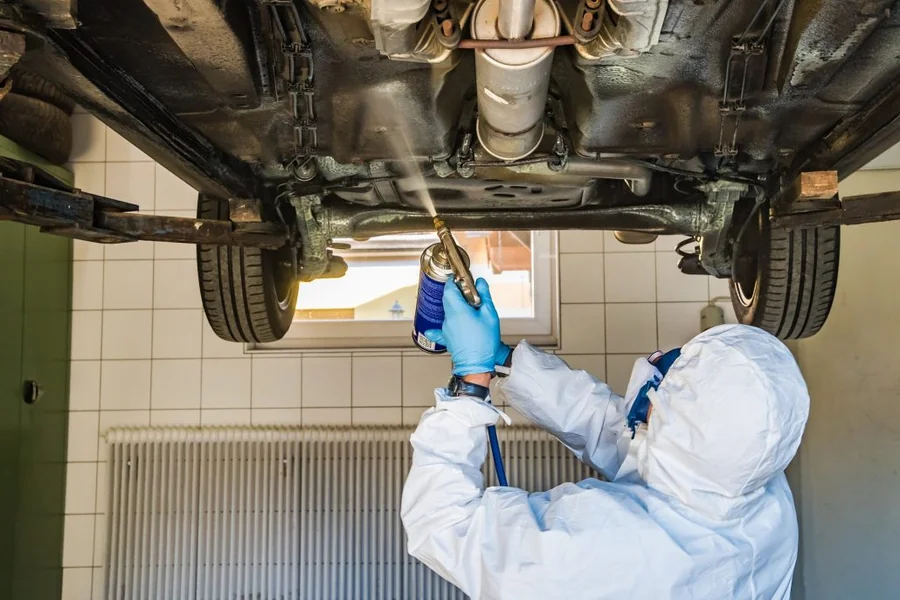
The chassis of a vehicle is its backbone—a critical structure that supports the engine, transmission, suspension, and body. Despite its essential role, the chassis is constantly exposed to environmental hazards such as water, dirt, road salts, and chemicals, all of which can accelerate corrosion. Over time, this exposure can weaken the vehicle’s structural integrity, reduce safety, and lower its resale value. To combat these risks, chassis coating has emerged as a vital protective measure for both new and older vehicles. This article explores the importance of chassis coating, the different types available, the application process, and the benefits it provides.
Understanding the Vehicle Chassis
Before delving into coating solutions, it’s essential to understand what the chassis is. The chassis is the frame of the vehicle that supports all mechanical components, including the drivetrain, suspension system, and wheels. In many vehicles, especially trucks and SUVs, the chassis is made of high-strength steel designed to endure significant stress. However, steel is prone to corrosion when exposed to moisture and oxygen, particularly in regions with heavy rainfall or winter road salting.
Chassis corrosion can lead to several problems, including:
- Structural Weakness: Rust can compromise the strength of the chassis, affecting the vehicle’s overall safety.
- Suspension Damage: Corroded mounting points can damage suspension components.
- Increased Maintenance Costs: Rust can accelerate wear on other parts, leading to more frequent repairs.
- Decreased Resale Value: A corroded chassis significantly lowers a vehicle’s market value.
Given these risks, applying a protective chassis coating is a proactive way to preserve the vehicle’s longevity and performance.
What is Chassis Coating?
Chassis coating is a protective layer applied to a vehicle’s frame to prevent rust and corrosion. It acts as a barrier against moisture, salt, chemicals, and debris that can damage the metal over time. Unlike paint, which primarily serves an aesthetic purpose, chassis coatings are designed for durability and resistance to harsh conditions.
Modern chassis coatings are formulated using materials such as:
- Rubberized compounds: Provide a flexible, impact-resistant layer.
- Epoxy coatings: Offer strong adhesion and excellent corrosion resistance.
- Polyurethane sprays: Combine flexibility and chemical resistance.
- Wax-based coatings: Create a water-repellent barrier that can self-heal minor scratches.
The choice of coating depends on factors like the vehicle type, environmental conditions, and budget.
Types of Chassis Coatings
There are several types of chassis coatings available, each with its own advantages and disadvantages:
1. Rubberized Undercoating
Rubberized undercoating is a popular choice for many vehicles. It is applied as a thick, sticky layer that adheres to the chassis, providing a protective barrier against road debris, water, and salt. This coating also reduces road noise and vibration, making the driving experience quieter.
Pros:
- Effective against minor impacts and abrasions
- Reduces noise
- Relatively easy to apply
Cons:
- Can trap moisture if not applied correctly
- May peel over time
2. Epoxy-Based Coating
Epoxy coatings are known for their durability and excellent adhesion. They create a hard, chemically resistant layer that prevents rust from forming. Epoxy coatings are commonly used in industrial and heavy-duty vehicles where long-term protection is crucial.
Pros:
- Excellent corrosion resistance
- Strong adhesion to metal surfaces
- Long-lasting protection
Cons:
- Requires professional application
- Can be rigid, which may crack under heavy flexing
3. Wax-Based Coating
Wax-based coatings provide a thin, water-repellent layer over the chassis. While not as durable as epoxy or rubberized coatings, they are useful for maintaining vehicles that are regularly cleaned and stored in controlled environments.
Pros:
- Easy to apply
- Re-application is simple
- Water-repellent properties
Cons:
- Less durable
- Requires frequent re-application
4. Polyurethane Coating
Polyurethane coatings combine flexibility and durability. They adhere well to metal surfaces and can withstand exposure to chemicals, salts, and UV light. This type of coating is often preferred for high-performance vehicles or those operating in harsh climates.
Pros:
- Flexible and durable
- Resistant to chemicals and UV exposure
- Long-lasting protection
Cons:
- Professional application recommended
- More expensive than wax-based coatings
The Application Process
Applying a chassis coating is a detailed process that requires proper preparation to ensure maximum protection. Here’s a step-by-step overview:
1. Cleaning the Chassis
Before applying any coating, the chassis must be thoroughly cleaned. This involves removing dirt, grease, rust, and old paint. Many professionals use pressure washing, degreasers, and wire brushing to achieve a clean surface. Proper cleaning ensures that the coating adheres well and provides long-lasting protection.
2. Rust Treatment
If rust is already present, it must be treated before coating. Rust converters or sandblasting may be used to neutralize or remove rust, preventing it from spreading beneath the coating.
3. Masking and Protection
Sensitive areas, such as brake components, exhaust, and electrical wiring, are masked to prevent coating overspray. This step is crucial for maintaining the functionality of mechanical components.
4. Application of Coating
The chassis coating is applied using a spray gun, brush, or roller, depending on the type of coating. Rubberized and polyurethane coatings are often sprayed to ensure an even layer, while wax-based coatings may be brushed or sprayed. Multiple layers may be applied for enhanced protection.
5. Curing and Inspection
After application, the coating must cure for a specified time, which can range from a few hours to a few days depending on the product. Once cured, the chassis is inspected to ensure complete coverage and proper adhesion.
Benefits of Chassis Coating
The advantages of chassis coating extend beyond rust prevention. Some key benefits include:
1. Corrosion Prevention
The primary purpose of chassis coating is to prevent corrosion. A well-applied coating shields the metal from moisture, salts, and chemicals, extending the life of the vehicle.
2. Improved Vehicle Longevity
By protecting critical structural components, chassis coating contributes to the overall longevity of the vehicle. This is especially important for off-road vehicles and trucks exposed to harsh conditions.
3. Noise Reduction
Rubberized coatings also dampen road noise and vibrations, improving comfort for passengers.
4. Cost Savings
Preventing rust reduces the likelihood of costly repairs and part replacements. Over time, this investment can save substantial money, especially for older vehicles or those used in corrosive environments.
5. Enhanced Resale Value
A rust-free chassis enhances the resale value of the vehicle, as prospective buyers recognize the added care and protection.
Maintenance and Re-Application
While chassis coatings are durable, they are not permanent. Regular inspections are recommended, especially after exposure to harsh conditions such as salty roads or off-road trails. Touch-ups may be necessary to repair scratches or worn areas. For long-term protection, some vehicles benefit from a re-application every few years, depending on the type of coating and usage conditions.
Choosing the Right Coating
Selecting the right chassis coating depends on several factors:
- Climate: Vehicles in coastal or snowy regions benefit from epoxy or polyurethane coatings due to their superior resistance to salt and moisture.
- Vehicle Type: Heavy-duty vehicles or off-road vehicles require more robust coatings such as epoxy or polyurethane.
- Budget: Wax-based coatings are economical for light protection, while professional-grade rubberized or epoxy coatings require a larger investment.
- Usage: Daily commuters may prefer coatings that reduce noise, whereas off-road enthusiasts may prioritize impact resistance.
Conclusion
Chassis coating is a vital protective measure for any vehicle. By safeguarding the backbone of the vehicle against rust, corrosion, and physical damage, chassis coatings help ensure safety, reliability, and longevity. From rubberized sprays that reduce noise to epoxy coatings that provide industrial-grade protection, there are options suited to every vehicle type and environment. Investing in a quality chassis coating not only preserves the structural integrity of your vehicle but also enhances its resale value and reduces long-term maintenance costs. In essence, it is a proactive step that pays dividends in the form of a stronger, longer-lasting vehicle.
For vehicle owners looking to maximize protection and maintain performance, chassis coating is not just a cosmetic upgrade—it’s an essential component of vehicle care. Proper application, regular inspection, and timely maintenance can help ensure that your vehicle remains rust-free, safe, and road-ready for years to come.

